
Tag: FBI

Anyone relieved that the NSA cellphone record collection has expired will find a new surveillance issue to be concerned about with this new, frightening report from the AP: The FBI has a fleet of at least 115 airplanes equipped with cameras and cellphone surveillance technology, flown under the cover of fake companies set up by […]
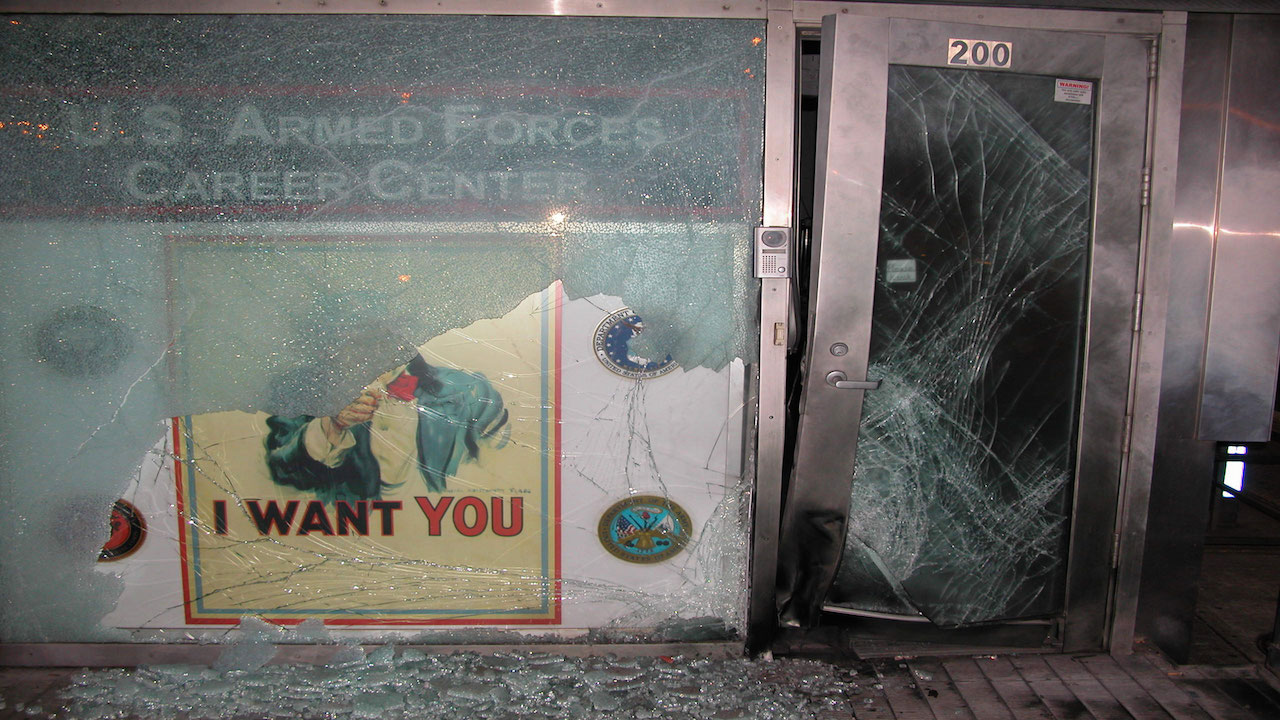
The FBI just can’t let go of the 2008 bombing of an Armed Forces Recruiting Station in Times Square in which no one was injured. The New York Field Office announced today that the reward has increased to up to $115,000 for information relating to the capture of the bomber. Investigators revealed for the first […]
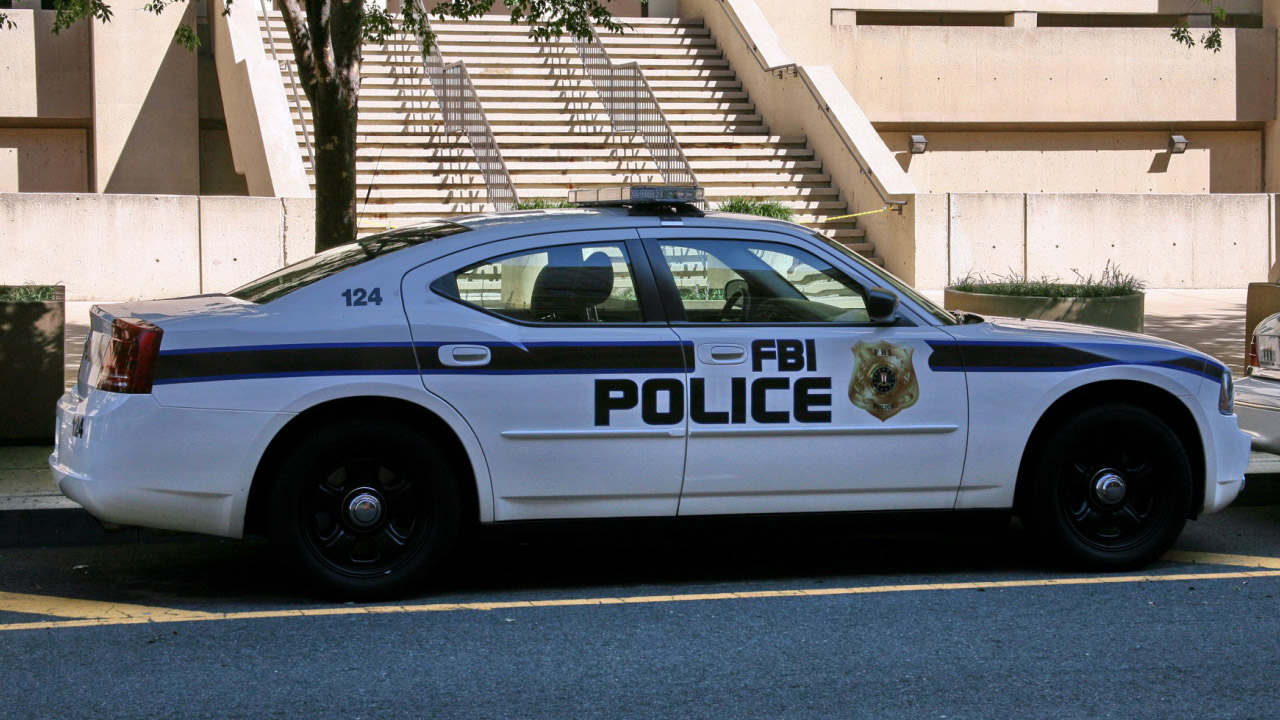
Federal authorities have apprehended a banker they believe to have been working as a Russian spy in New York City. The FBI says that he is connected to a Russian spy ring with at least two others. Just in: FBI arrests Russian spy in the Bronx who was part of ring attempting to collect economic […]
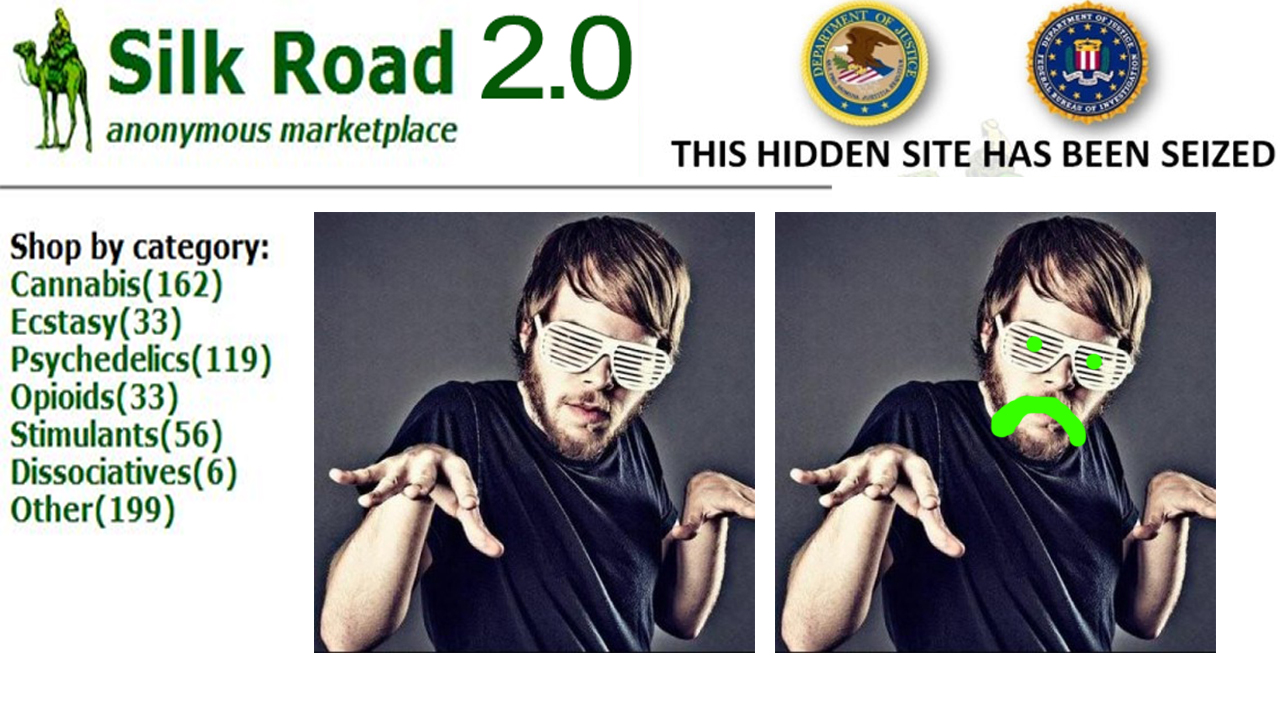
Silk Road 2, the replacement for the now defunct and infamous Silk Road darknet drug marketplace, has been shut down by the FBI as well. The alleged operator, 26-year-old Blake Benthall, a software engineer at space transport company SpaceX, has been taken into FBI custody and is facing a maximum life sentence. From the FBI: […]
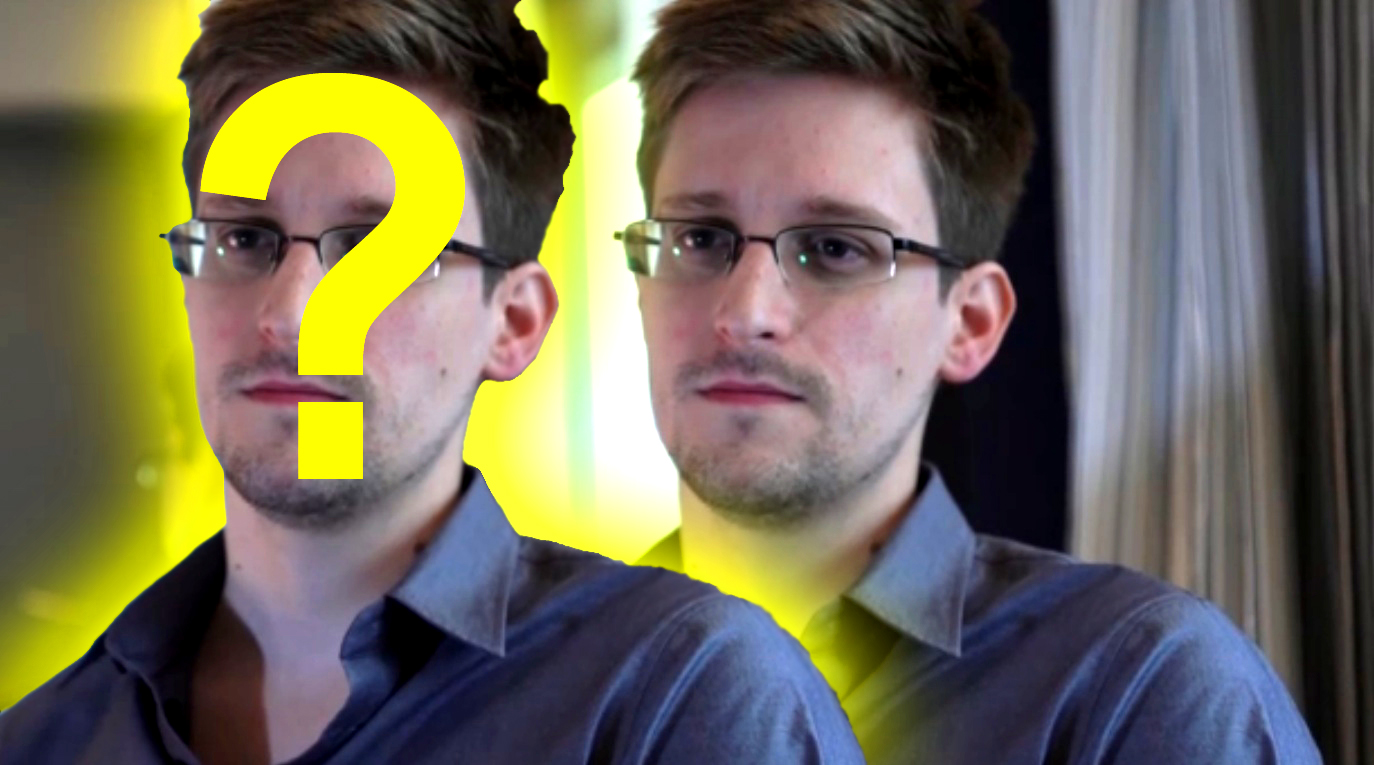
According to sources, the FBI has raided the home of a man who may be Edward Snowden’s successor for leaking NSA documents. Reportedly, the FBI raided the home of the suspect, who is identified as an employee of a government contractor that works with the NSA. A separate source said, “Investigators are continuing to pursue it, […]
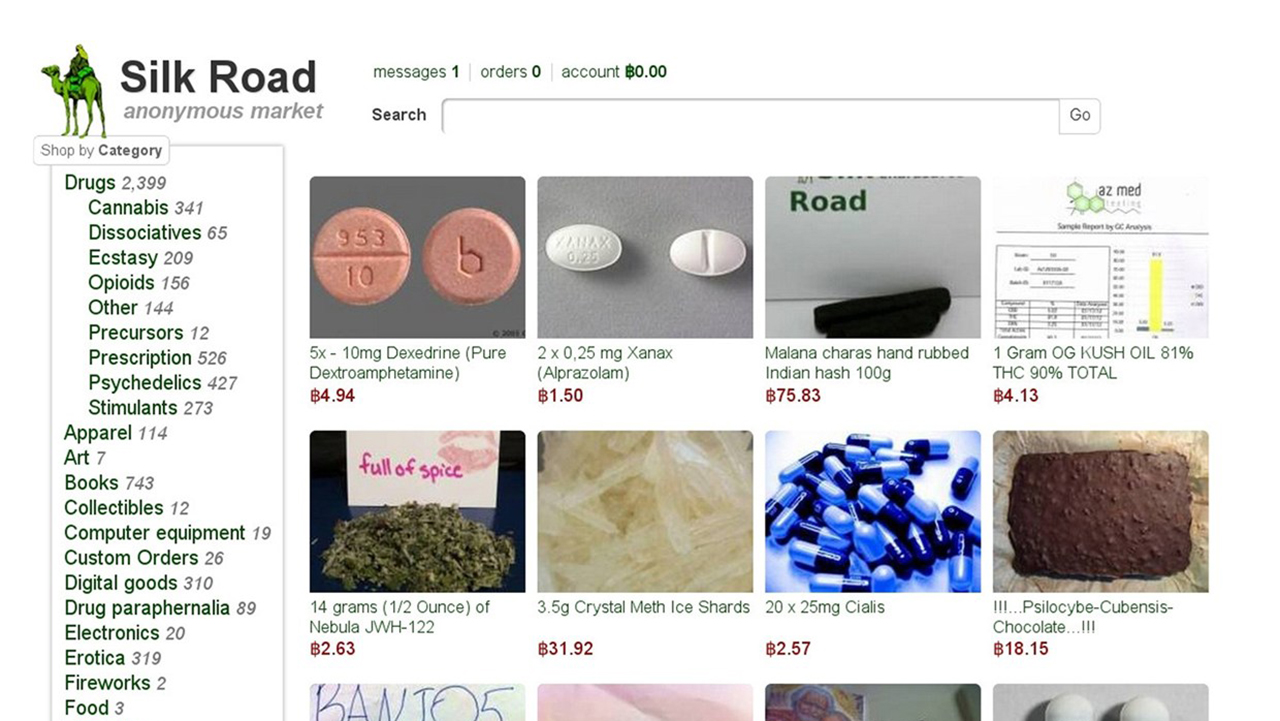
It looks like the FBI has some explaining to do. When experts examined the evidence presented against the alleged founder of dark net drug market Silk Road, something didn’t add up. Specifically, the method the FBI claim to have used to find Silk Road’s servers was apparently fabricated. The feds claim that they found the Silk Road server location because Silk […]
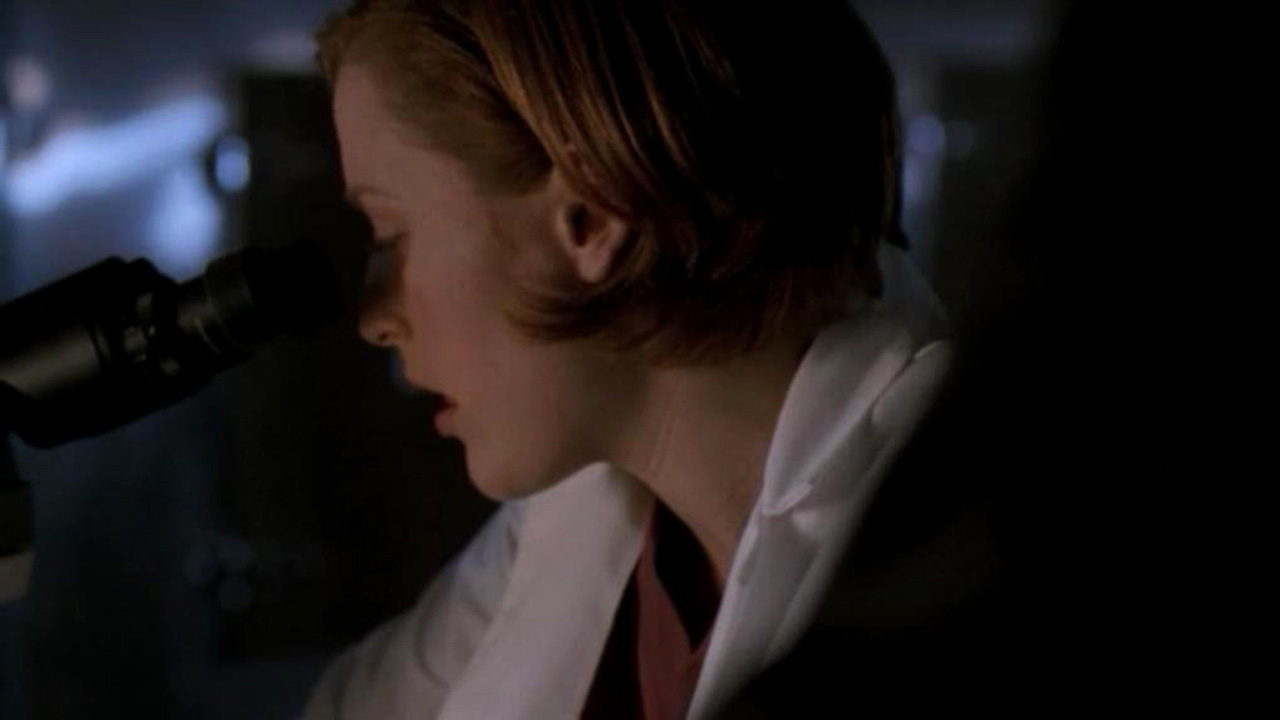
This week, the FBI and US Department of Justice released the results of an ongoing review of thousands of potentially wrongful convictions, based on their scientists’ testimonies. The FBI’s forensic methods of the 1980s and 1990s involved looking at hair samples under the microscope, without the mitochondrial DNA testing included with this type of analysis today. The […]
In theory, the NYCLU is in favor of a proposal to create IDs for all New Yorkers regardless of their immigration status, but has some major concerns about its implementation. In a statement, the organization wrote that they understand the “significant benefits” of an ID for immigrants, transgendered people or others with identity issues. However, they […]
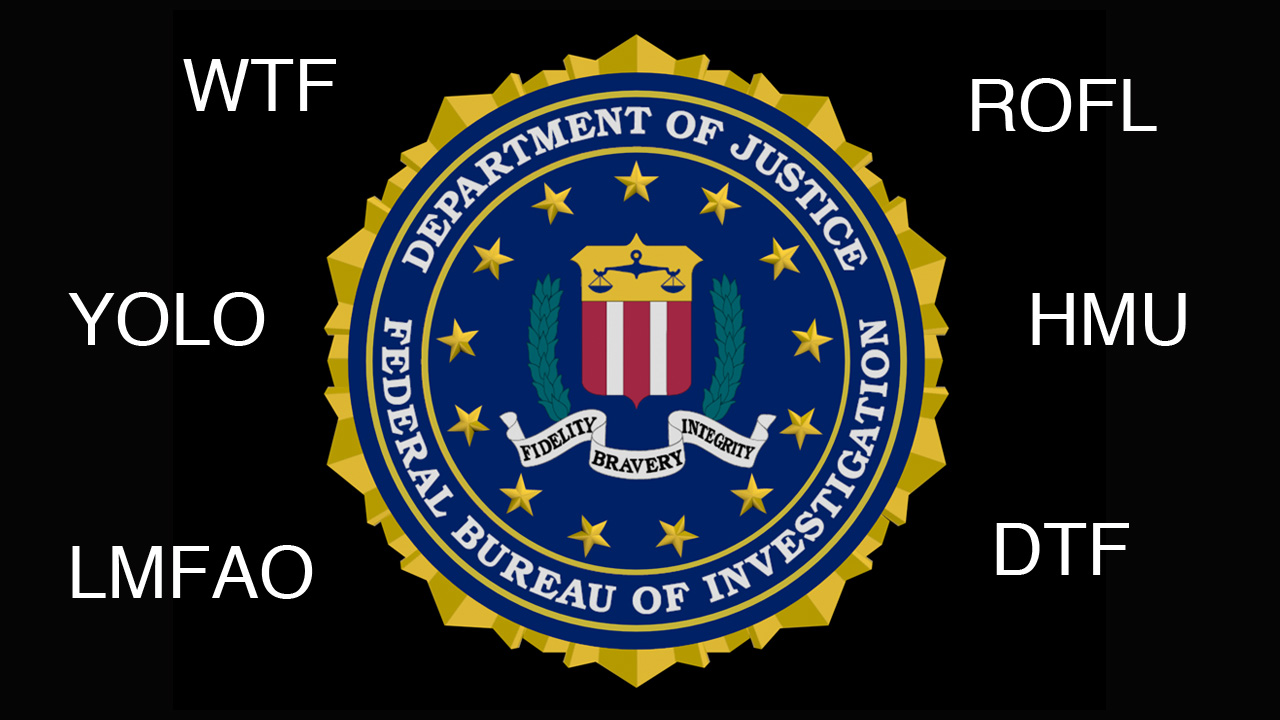
The government is continuing their efforts to infiltrate every last corner of linguistics to spy on us more effectively. The Secret Service has software that can detect sarcasm, but now, the FBI has created what is possibly largest dictionary of internet language outside of UrbanDictionary. The list consists of 2800 abbreviations and acronyms that are […]
And according to FBI director James Comey, the bureau’s no-tolerance policy for hiring pot smokers means it is missing out on the upper echelon of cybersecurity specialists. All the best hackers, it would seem, smoke weed. At the White Collar Crime Institute, a conference Monday at the New York City Bar Association, Comey admitted he’s […]